Understanding Your Viking Self-Clean Oven
Viking ovens boast a powerful self-clean feature‚ yet understanding its nuances is crucial for safe and effective operation; it utilizes high heat to eliminate residue.
What is a Self-Clean Oven?
Self-clean ovens employ extremely high temperatures – often exceeding 880°F (470°C) – to incinerate baked-on food residue into ash. This process eliminates the need for harsh chemical cleaners and strenuous manual scrubbing. However‚ it’s not truly “self” cleaning; some wiping of ash remains.
These ovens lock the door automatically during the cycle for safety‚ and can produce noticeable fumes and odors. Understanding this process‚ and following manufacturer guidelines‚ is vital for optimal performance and preventing potential issues with your Viking appliance.
Viking Oven Self-Clean Technology Overview
Viking self-clean technology utilizes a high-heat pyrolysis process‚ reaching temperatures designed to effectively burn off food soils. This differs from steam clean options found in some ovens. The system automatically locks the door‚ ensuring safe operation during the intense cleaning cycle.
Modern Viking models may incorporate advanced sensors to monitor the process and adjust heating accordingly. It’s crucial to remember that while convenient‚ this feature isn’t without potential risks‚ requiring careful preparation and adherence to safety precautions.
Preparing for the Self-Clean Cycle
Prior to initiating the cycle‚ remove racks and debris‚ ensuring proper ventilation; a clean oven and open windows are essential for optimal results.
Removing Oven Racks and Accessories
Before starting the self-clean cycle on your Viking oven‚ it’s absolutely essential to remove all oven racks‚ baking stones‚ broiler pans‚ and any other accessories stored inside. These items can become discolored‚ warped‚ or even damaged due to the extremely high temperatures reached during the cleaning process. Leaving them in may also hinder the oven’s ability to clean effectively‚ and potentially cause safety concerns.
Carefully slide the racks out‚ and consider cleaning them separately with a suitable oven rack cleaner. Ensure the oven interior is completely empty before proceeding to the next preparation step.
Wiping Up Loose Debris
Prior to initiating the self-clean cycle‚ a quick manual cleanup significantly enhances its effectiveness. Use a damp cloth or sponge to wipe away any large food particles‚ grease splatters‚ or loose debris from the oven’s interior surfaces – the floor‚ walls‚ and door. This prevents excessive smoke and odors during the high-heat cleaning process.
Removing these remnants minimizes the amount of ash produced‚ making the final wipe-down easier. Don’t use abrasive cleaners‚ as they can damage the oven’s enamel coating.
Ensuring Proper Ventilation
Adequate ventilation is paramount when running the self-clean cycle on your Viking oven. The high temperatures generate fumes and odors‚ so open windows in the kitchen and surrounding areas to create cross-ventilation. If your oven is located near a range hood‚ activate it to help extract airborne particles.
Consider using fans to circulate air and expedite the removal of any potentially irritating smells. Proper airflow safeguards indoor air quality during the cleaning process.
Initiating the Self-Clean Cycle
To begin‚ select the self-clean option on your Viking oven’s control panel‚ set the desired cleaning duration‚ and ensure the door securely locks.
Selecting the Self-Clean Cycle Option
Navigating your Viking oven’s control panel to initiate the self-clean cycle is generally straightforward‚ though specific models may vary slightly. Typically‚ a dedicated “Self-Clean” button or menu option will be prominently displayed. Pressing this initiates the selection process. Some Vikings offer varying clean levels – light‚ normal‚ or heavy-duty – allowing customization based on soil buildup.
Carefully review your oven’s manual to understand these options. Choosing the appropriate setting optimizes cleaning efficiency and minimizes cycle duration. Confirm your selection before proceeding‚ as initiating the cycle commits the oven to a high-temperature process. Remember‚ safety precautions are paramount during this operation.
Setting the Clean Duration
Viking ovens often automatically determine the self-clean cycle duration based on the selected cleaning level – light‚ normal‚ or heavy. However‚ some models permit manual adjustment of the cleaning time‚ offering greater control. The typical range extends from two to four hours‚ correlating with the degree of soil present within the oven cavity.
For lighter cleaning needs‚ a shorter duration suffices‚ conserving energy and minimizing potential odor. Heavily soiled ovens necessitate a longer cycle for thorough cleaning. Always consult your owner’s manual for recommended durations and specific model instructions.
Locking the Oven Door
Viking self-clean cycles automatically lock the oven door for safety‚ preventing accidental opening during the high-temperature cleaning process. This locking mechanism engages shortly after the cycle initiates and remains active until the oven has sufficiently cooled down. Do not attempt to force the door open during operation; this could cause damage.
The lock disengages automatically once the oven reaches a safe temperature. A visual indicator‚ or a release sound‚ typically signals when the door is unlocked and safe to open. Refer to your model’s manual for specific lock details.
Safety Precautions During Self-Clean
During the self-clean cycle‚ potential fumes and high temperatures necessitate caution; keep children and pets away‚ and avoid oven usage entirely.
Potential Fumes and Odors
The self-clean cycle operates at extremely high temperatures‚ inevitably producing fumes and odors as food residue is incinerated. This is a normal part of the process‚ but adequate ventilation is paramount. Open windows and utilize exhaust fans to dissipate these smells‚ which can be particularly strong initially. Individuals with respiratory sensitivities‚ such as asthma‚ should avoid exposure altogether. While generally harmless‚ the fumes can be irritating‚ and proper precautions minimize discomfort. Be aware that lingering odors may persist briefly after the cycle completes‚ diminishing with further ventilation.
Keeping Children and Pets Away
During the self-clean cycle‚ the oven’s exterior surfaces become intensely hot‚ posing a significant burn risk. More importantly‚ the fumes released‚ while typically minimal‚ can be harmful to sensitive respiratory systems – especially those of children and pets. Strict supervision is essential; ensure they remain a safe distance from the oven throughout the entire process. The locking mechanism‚ while a safety feature‚ shouldn’t be solely relied upon. Create a clear‚ physical barrier if necessary to prevent accidental contact or inhalation of fumes‚ prioritizing their well-being.
Avoiding Oven Use During Cycle
Absolutely refrain from using the oven at any point during the self-clean cycle. The extreme temperatures generated are not only dangerous but can also interfere with the cleaning process‚ potentially damaging oven components. Attempting to open the door mid-cycle is also strongly discouraged due to the intense heat and locked mechanism. Interrupting the cycle could lead to incomplete cleaning and even pose a safety hazard. Patience is key; allow the full cycle to complete before utilizing your Viking oven for cooking again.
Post-Clean Cycle Procedures
After the cycle finishes‚ allow ample cooling time before unlocking the door and wiping away any fine ash residue that remains inside the oven cavity.
Allowing the Oven to Cool
Following the self-clean cycle’s completion‚ it’s absolutely essential to allow the Viking oven to cool down completely before attempting any further actions. The internal temperatures reach incredibly high levels during cleaning‚ posing a burn risk. Resist the urge to open the door prematurely; patience is key.
Typically‚ a complete cooling period can take several hours‚ depending on the cycle’s duration and the oven’s model. The door will remain locked until the temperature sufficiently decreases‚ ensuring safety. Do not attempt to force the door open‚ as this could damage the locking mechanism.
Wiping Away Ash Residue
Once the Viking oven has fully cooled and the door unlocks‚ you’ll likely find a fine layer of ash residue remaining inside. This is a normal byproduct of the self-clean process‚ consisting of burned-off food particles. Use a damp cloth or sponge to gently wipe away this ash‚ avoiding abrasive cleaners or scouring pads that could scratch the oven’s interior.
Pay particular attention to the oven floor‚ walls‚ and door. A vacuum cleaner with a brush attachment can also be helpful for removing loose ash before wiping. Ensure all residue is removed before using the oven again for optimal performance.
Unlocking the Oven Door
After the self-clean cycle completes and the oven has sufficiently cooled‚ the door lock will automatically release. However‚ it’s essential to verify the door is fully unlocked before attempting to open it. Do not force the door open if it remains locked; this could damage the locking mechanism.
If the door doesn’t unlock‚ consult your Viking oven’s manual for specific troubleshooting steps. A brief power interruption might sometimes be necessary to reset the lock. Always prioritize safety and avoid any actions that could compromise the oven’s functionality.
Troubleshooting Common Issues
Addressing problems like insufficient heat‚ error codes‚ or excessive smoke during the self-clean cycle requires careful attention and referencing the owner’s manual.
Oven Not Reaching Cleaning Temperature
If your Viking oven fails to reach the necessary high temperature for the self-clean cycle‚ several factors could be at play. First‚ ensure the oven door is completely and securely locked‚ as the cycle won’t initiate without this safety measure. A faulty door latch is a common culprit.
Secondly‚ verify the electrical connection; a weak power supply can hinder heating. Check your breaker panel. Also‚ excessive oven build-up can impede heat distribution. Finally‚ a malfunctioning oven sensor might be misreporting the temperature‚ preventing the cycle from progressing – professional service may be needed in this case.
Error Codes During Self-Clean
Encountering error codes during the Viking self-clean cycle signals a problem requiring attention. These codes are the oven’s way of diagnosing issues. Consult your Viking oven’s user manual; it contains a comprehensive list of error codes and their corresponding solutions. Common errors relate to door lock malfunctions‚ sensor failures‚ or gas supply issues (for gas models).
Often‚ simply canceling the cycle and restarting it can resolve minor glitches. However‚ persistent error codes necessitate contacting Viking’s customer support or a qualified appliance repair technician for professional diagnosis and repair.
Excessive Smoke or Odor
Experiencing excessive smoke or strong odors during the Viking self-clean cycle isn’t uncommon‚ but significant amounts warrant investigation. A small amount of odor is typical as food residue burns off. However‚ thick smoke suggests excessive grease or food buildup before the cycle began. Ensure thorough pre-cleaning by removing loose debris.
If smoke persists‚ immediately stop the cycle and ventilate the kitchen. Recurring issues may indicate a problem with the oven’s venting system or a need for professional cleaning.
Maintaining Your Viking Oven
Regular upkeep‚ combining manual cleaning with occasional self-clean cycles‚ preserves your Viking oven’s performance and extends its lifespan‚ ensuring optimal cooking results.
Regular Manual Cleaning
Consistent manual cleaning significantly reduces reliance on the self-clean cycle‚ minimizing potential wear and tear on oven components. Wipe spills immediately to prevent baked-on residue‚ utilizing a mild detergent and soft cloth. For tougher spots‚ create a paste of baking soda and water‚ applying it and letting it sit before gently scrubbing. Don’t forget the oven door – both inside and out – and the control panel. Regular attention prevents excessive build-up‚ making the self-clean cycle more effective when used‚ and contributing to a longer oven life. This proactive approach also enhances cooking performance.
Preventative Measures to Reduce Build-Up
To minimize stubborn residue‚ utilize oven liners or baking sheets to catch drips and spills during cooking. Consider covering dishes with lids or foil‚ especially when baking items prone to bubbling over. Regularly inspect and clean the oven’s catalytic converter (if equipped)‚ as a clogged converter impacts performance. Avoid broiling excessively fatty foods without a pan underneath. Promptly address any spills‚ as they become harder to remove over time. These simple habits dramatically reduce build-up‚ lessening the frequency and intensity of self-clean cycles.
Checking Door Seals
Regularly inspect the oven door seals for any signs of damage‚ cracks‚ or gaps. A compromised seal allows heat to escape during the self-clean cycle‚ reducing efficiency and potentially posing a safety hazard. To test the seal‚ close the door on a dollar bill; if it pulls out easily‚ the seal may need replacing. Ensure the seal is clean and free of debris‚ as buildup can hinder a proper closure. A tight seal is vital for maintaining consistent temperatures and safe operation.
Understanding Self-Clean Cycle Types
Viking ovens may offer standard‚ steam‚ or heavy-duty self-clean cycles‚ each varying in duration and intensity to tackle different levels of oven soiling.
Standard Self-Clean Cycle
The standard self-clean cycle on a Viking oven employs extremely high temperatures – often exceeding 800°F – to incinerate baked-on food residue and spills. This process transforms grime into a fine ash that can be easily wiped away post-cycle. It’s generally the most thorough cleaning option‚ suitable for ovens with significant build-up.
However‚ due to the intense heat‚ it’s essential to remove oven racks and any accessories beforehand‚ as they may discolor or warp. The cycle duration typically ranges from two to four hours‚ followed by a cooling period. Proper ventilation is paramount‚ as the process can release fumes and odors.
Steam Clean Option (If Applicable)
Some Viking oven models feature a steam clean option‚ a lighter-duty cleaning cycle ideal for quick‚ everyday maintenance. Unlike the high-heat self-clean‚ steam clean utilizes water and lower temperatures to loosen light soil and food residue. This cycle is significantly shorter‚ typically lasting around 30 minutes to an hour.
It’s perfect for spills cleaned up relatively quickly or for ovens that don’t require deep cleaning. While gentler‚ steam clean still necessitates removing racks and ensuring adequate ventilation. It’s a convenient alternative for frequent‚ minor cleaning tasks‚ reducing reliance on the intense self-clean cycle.
Heavy-Duty Self-Clean Cycle
For deeply ingrained messes‚ Viking ovens offer a heavy-duty self-clean cycle. This utilizes extremely high temperatures – often exceeding 900°F – to incinerate baked-on food and grease‚ leaving behind only a light ash residue. This cycle demands meticulous preparation; all racks‚ pans‚ and accessories must be removed beforehand.
Expect a longer cleaning duration‚ potentially exceeding four hours‚ and significant heat emission. Proper ventilation is paramount‚ and keeping pets and children away is essential. The oven door automatically locks during this cycle for safety‚ remaining locked until cooled.
Potential Risks and Concerns
Self-clean cycles‚ while convenient‚ pose risks including potential damage to oven sensors‚ components‚ and health concerns due to emitted fumes and odors.
Impact on Oven Sensors
The extreme temperatures generated during a self-clean cycle can‚ over time‚ potentially affect the calibration and lifespan of sensitive oven sensors. These sensors are vital for accurate temperature regulation during normal cooking operations. Repeated exposure to such intense heat may lead to gradual degradation‚ causing inconsistencies in baking and roasting results. While Viking ovens are designed to withstand these cycles‚ frequent use could accelerate sensor wear. Monitoring performance and considering alternative cleaning methods can help mitigate these risks‚ preserving optimal oven functionality for years to come.
Possible Damage to Oven Components
The intense heat of the self-clean cycle‚ while effective at removing baked-on food‚ presents a risk to certain oven components. Prolonged exposure can potentially damage the porcelain enamel interior‚ leading to cracking or discoloration. Delicate wiring and electronic controls may also experience stress. Though Viking ovens are built with durable materials‚ repeated high-heat cycles can contribute to premature wear and tear. Regular inspection for any signs of damage is recommended‚ alongside mindful use of the self-clean function to preserve longevity.
Health Concerns Related to Fumes
During the self-clean cycle‚ Viking ovens generate significant heat‚ which can vaporize food residue‚ releasing fumes and odors. These emissions may contain carbon monoxide and other potentially irritating particles. Individuals with respiratory sensitivities‚ such as asthma‚ or pets are particularly vulnerable. Adequate ventilation is paramount; open windows and utilize exhaust fans; It’s crucial to avoid prolonged exposure to these fumes‚ ensuring the safety of all occupants within the household during the cleaning process.
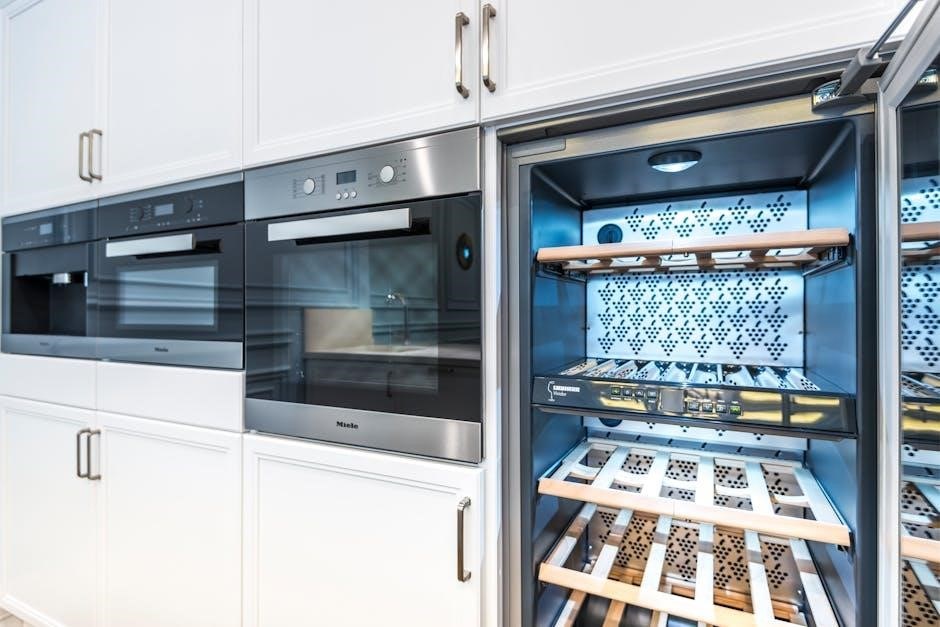
Viking Oven Self-Clean Cycle Duration
Typical Viking self-clean cycles range from two to four hours‚ though duration varies based on soil level and selected intensity; plan accordingly.
Typical Cycle Lengths
Viking self-clean cycles generally span between three and five hours‚ depending on the accumulated soil and the chosen cleaning intensity. A standard cycle usually clocks in around four hours‚ effectively burning off most food residue at extremely high temperatures. However‚ heavily soiled ovens may necessitate a longer duration‚ potentially extending to the full five-hour range.
Conversely‚ lighter cleaning needs might complete within three hours. Always consult your specific Viking oven’s manual for precise timings‚ as models can vary. Remember to factor in cooling time post-cycle‚ adding several hours before accessing the oven interior.
Factors Affecting Cycle Time
Several elements influence the duration of a Viking oven’s self-clean cycle. The primary factor is the amount of food residue and grease buildup within the oven cavity; heavier soiling demands extended cleaning times. The selected cycle intensity – standard‚ heavy-duty‚ or steam clean (if equipped) – also plays a significant role‚ with more intense cycles naturally taking longer.
Furthermore‚ oven usage frequency and the types of foods cooked can contribute to increased cleaning needs. Finally‚ consistent preventative maintenance‚ like wiping up spills promptly‚ can minimize buildup and shorten future cycle durations.
Self-Clean vs. Manual Cleaning
Self-clean offers convenience‚ while manual cleaning provides control; choosing depends on your preference‚ cleaning frequency‚ and the level of oven soiling present.
Pros and Cons of Each Method
Self-cleaning excels in convenience‚ requiring minimal effort and tackling baked-on messes effectively‚ but it generates high heat and potential odors‚ and can take several hours. Conversely‚ manual cleaning offers immediate results and avoids harsh temperatures‚ allowing targeted cleaning of specific areas.
However‚ it demands physical exertion and time‚ and may not fully eliminate stubborn residue. The self-clean cycle’s intensity could‚ over time‚ potentially impact oven sensors‚ while manual cleaning avoids this risk. Ultimately‚ the best approach depends on your lifestyle and cleaning needs.
When to Use Each Cleaning Approach
Employ the self-clean cycle for deeply ingrained messes and infrequent‚ thorough cleaning – perhaps quarterly or after major cooking events like holidays. For lighter spills‚ splatters‚ or routine maintenance‚ manual cleaning is preferable‚ offering immediate attention and preventing build-up.
If you prioritize convenience and don’t mind the cycle’s duration and potential odors‚ self-cleaning is ideal. However‚ for quick cleanups or concerns about oven component longevity‚ manual cleaning remains a reliable and gentle option‚ ensuring consistent performance.